Popular Destinations from
Discover the top locations Mix & Match customers are flying to.
{{geoStatus}}




Japan knows how to do winter.
One minute you’re carving through some of the fluffiest powder on the planet, the next you’re soaking in a steaming hot spring surrounded by snow. Throw in glowing cities, incredible food, ancient temples and a few hot-spring-loving monkeys, and suddenly an Aussie summer doesn’t seem quite so hard to leave behind.
Thinking about swapping the heat for the snow? Whether you’re planning a dedicated winter holiday in Japan or adding a few winter activities to a bigger trip, here are 10 reasons Japan deserves a spot on your travel list.
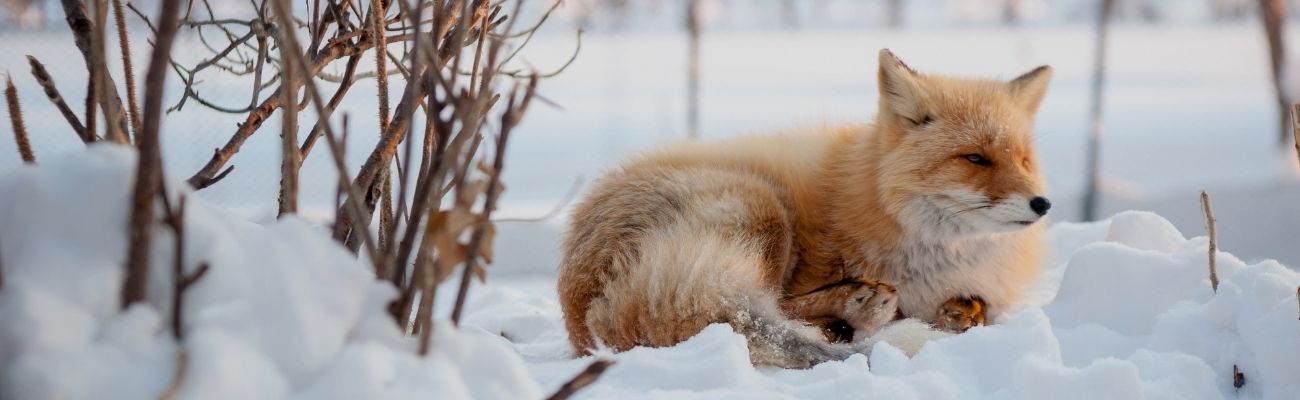
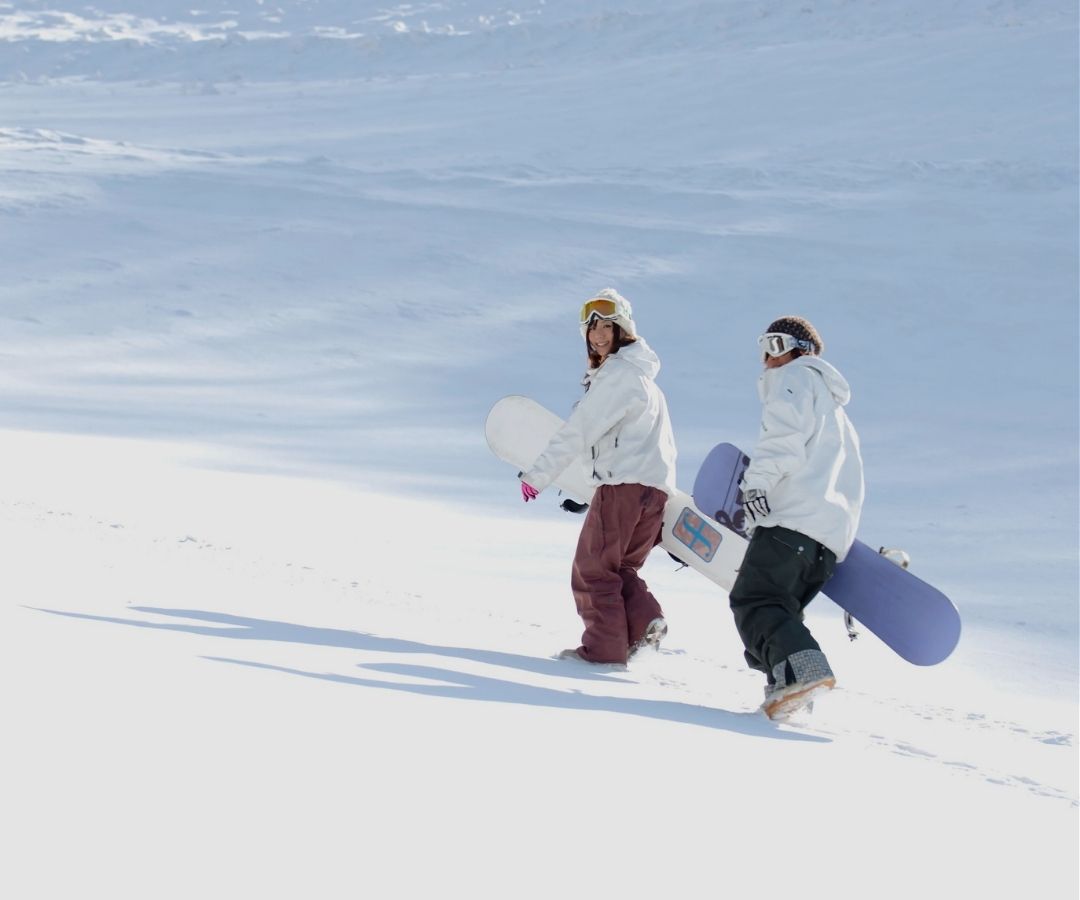
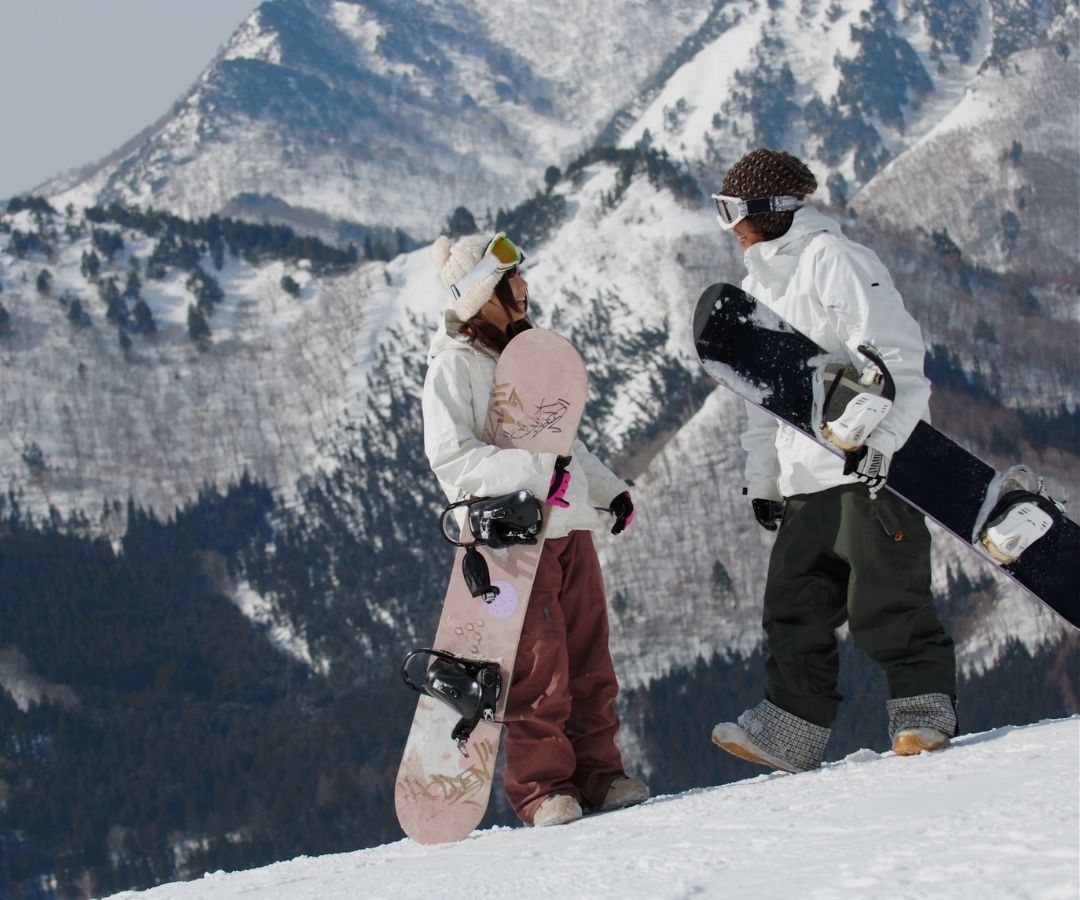
Japan has earned a serious reputation among skiers and snowboarders for its light, fluffy snow, and winter is the time to experience it for yourself.
Niseko in Hokkaido is one of the big names, combining excellent skiing with restaurants, bars and plenty to do once the lifts close. Over on Honshu, Hakuba in the Japanese Alps offers a huge choice of terrain, while Nozawa Onsen combines days on the mountain with a traditional Japanese hot spring town.
New to skiing or snowboarding? Japan isn’t just for the pros. Many ski resorts have beginner areas and lessons, so you can join the fun.
Cold outside. Steaming hot spring. Snow falling around you. You get the idea.
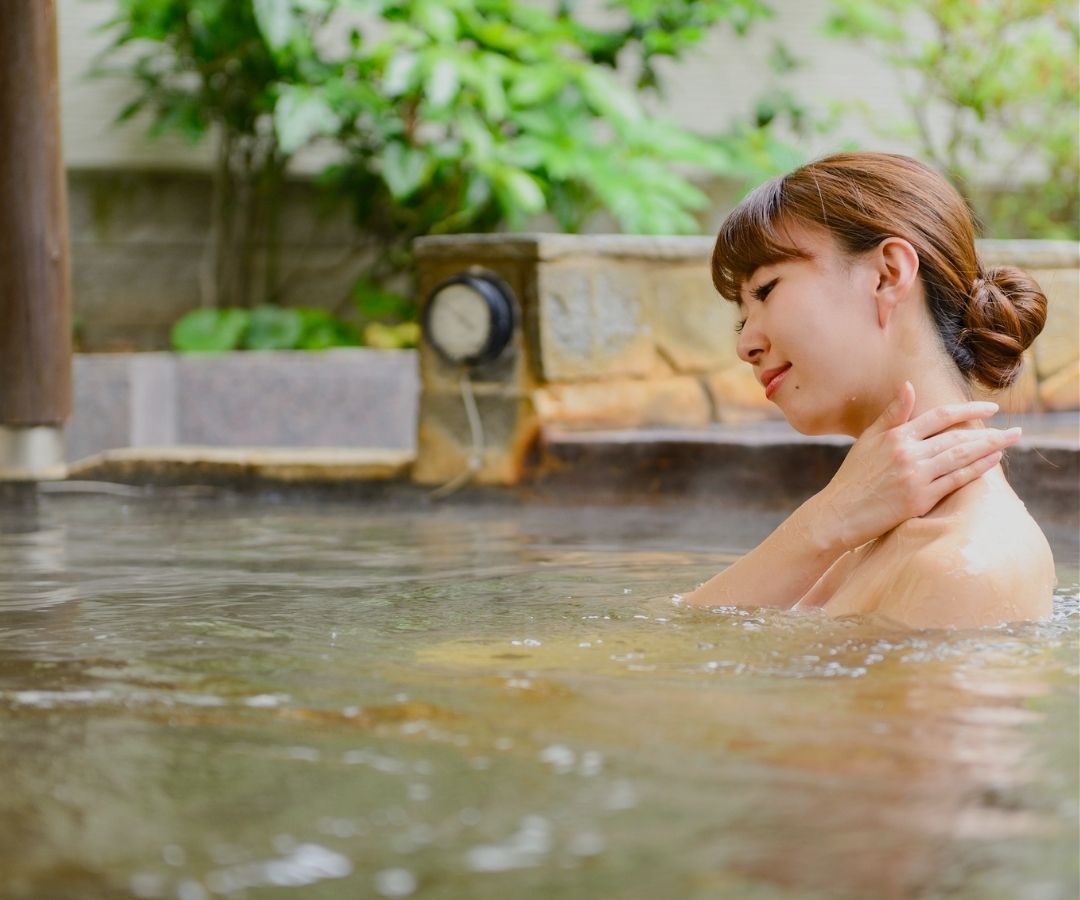
Japan’s natural hot springs, known as onsens, are enjoyable at any time of year, but there’s something particularly special about onsen hot springs during the winter months.
Look for a rotenburo, or outdoor bath, where you can soak in naturally heated water surrounded by crisp winter air. Kusatsu, Ginzan Onsen, Nagano and Hokkaido all offer memorable winter onsen experiences.
Better yet, stay overnight at a traditional ryokan. Tatami floors, futon beds, beautifully prepared Japanese meals and a long soak before bed? We could get used to that.
Kyoto and quiet aren't two words that usually go together.
Visit during the winter season, however, and you may find fewer crowds than during the famous cherry blossom and autumn foliage seasons.
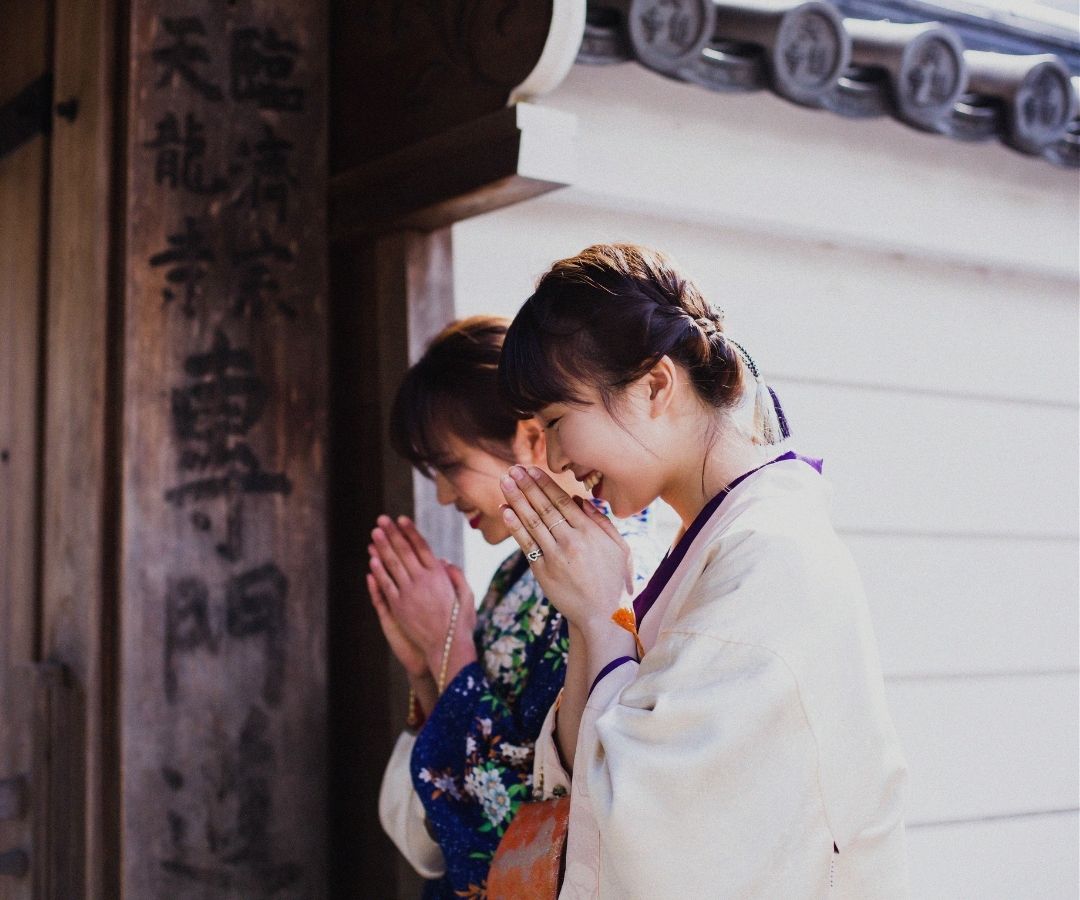
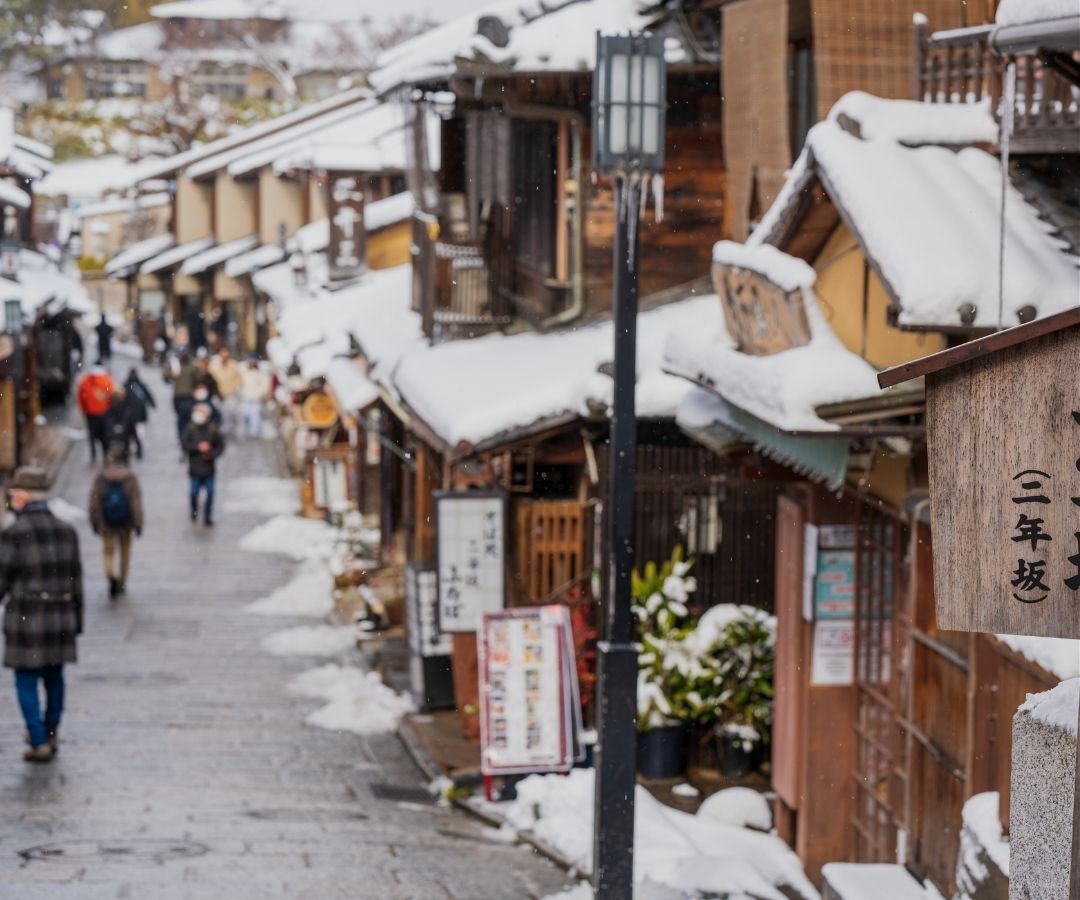
Spend your days wandering between temples and shrines, exploring Gion's historic streets and stopping for something warm along the way. Visit one of the city’s many shrines to pray for good fortune, and if you're lucky enough to catch Kyoto after fresh snowfall, the city's traditional rooftops and temple gardens become even more beautiful.
If you need convincing that hot springs are a good idea in winter, ask the locals.
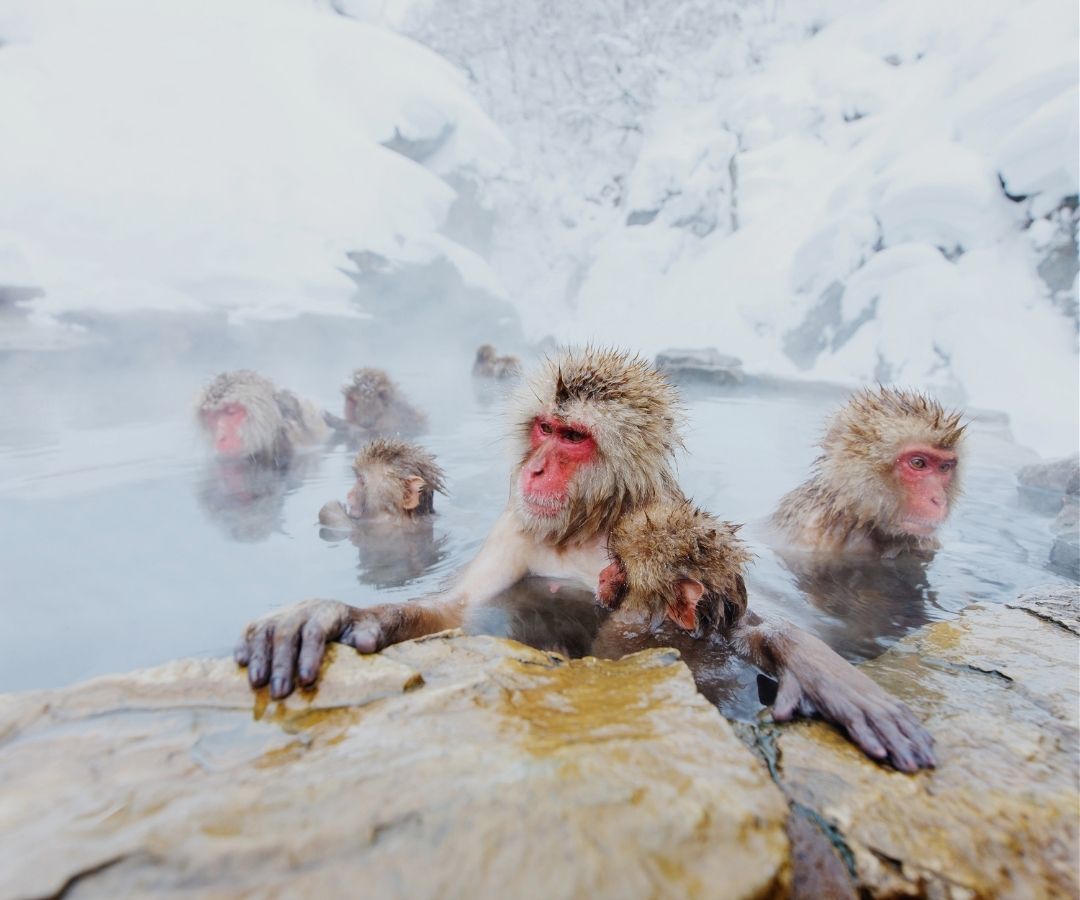
At Jigokudani Monkey Park in Nagano, Japanese macaques have become famous for gathering around the area's steaming hot springs against a backdrop of deep snow.
The walk into the park is part of the experience, taking you through a snowy forest before you reach the monkeys.
Just keep your snacks to yourself and give them plenty of space. They're cute. They're also wild monkeys.
If there's ever a season to plan a holiday around food, Japanese winter makes a strong case.
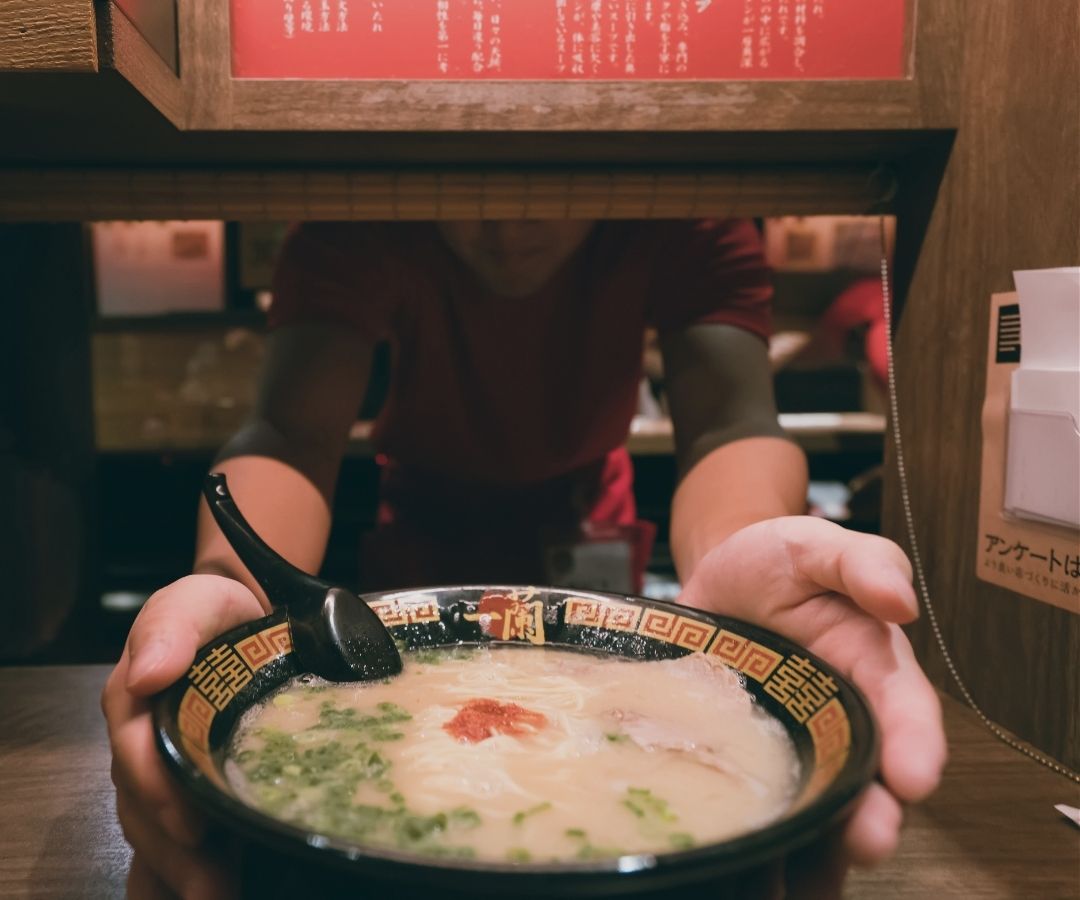
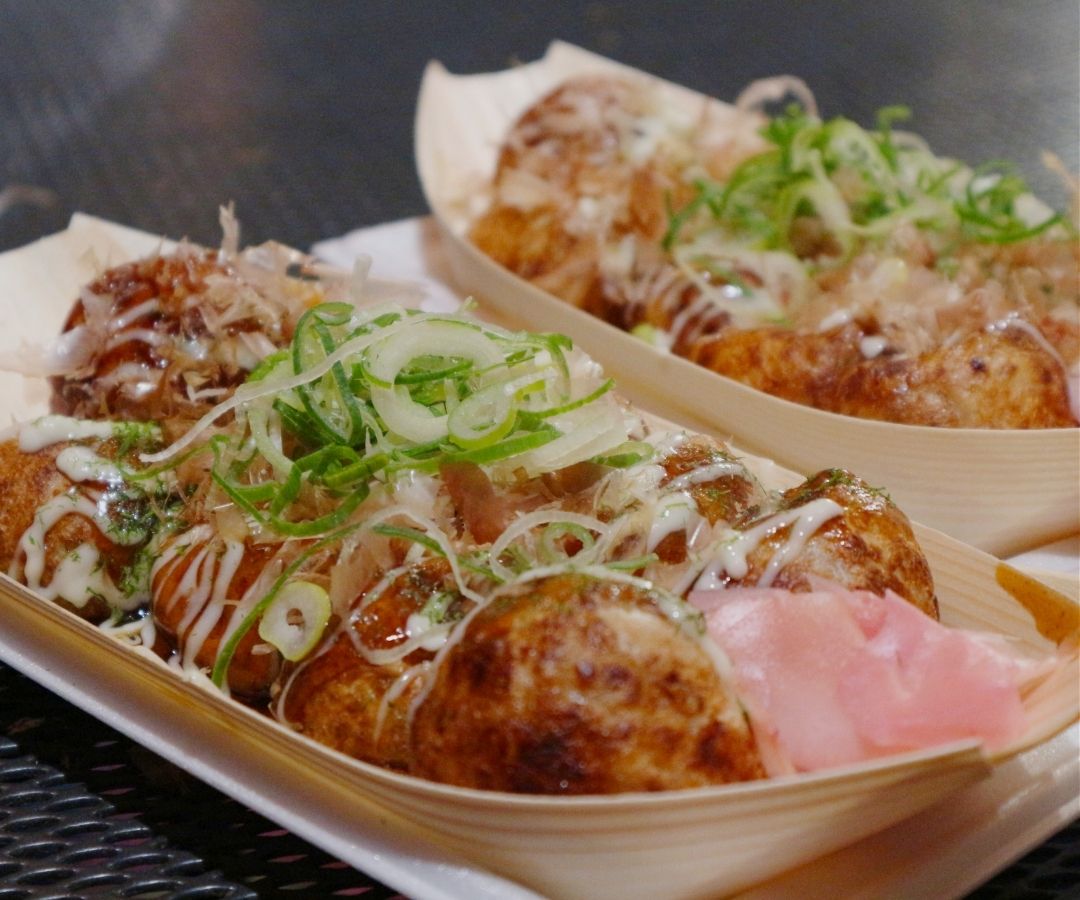
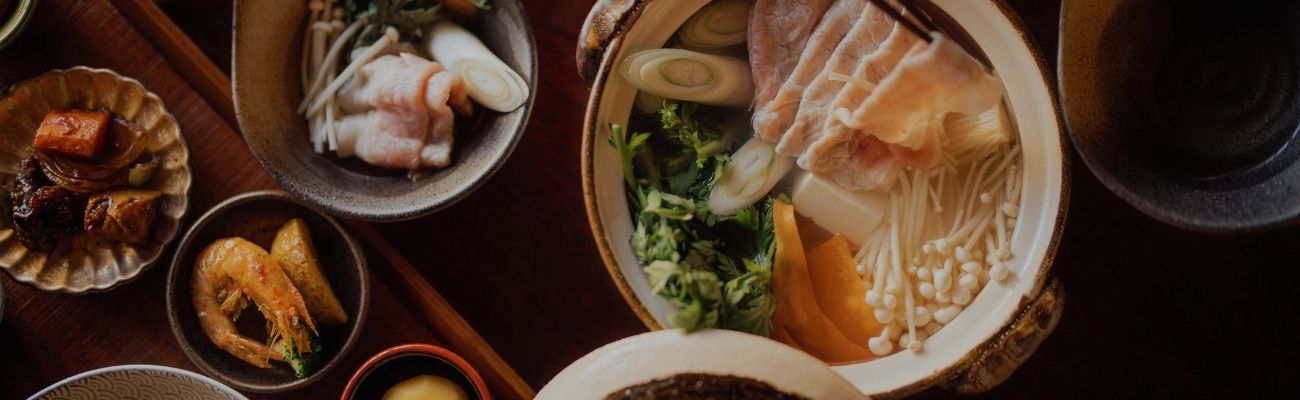
When the cold weather sets in, warm up with bowls of ramen, Japanese curry, oden or bubbling nabe hot pot. Head north to Hokkaido and winter seafood joins the menu, including fantastic crab and other seasonal catches.
Then there are the convenience stores. A quick 7-Eleven, Lawson or FamilyMart run can easily turn into an event of its own. Onigiri, egg sandwiches, hot snacks and desserts have achieved near-legendary status on social media.
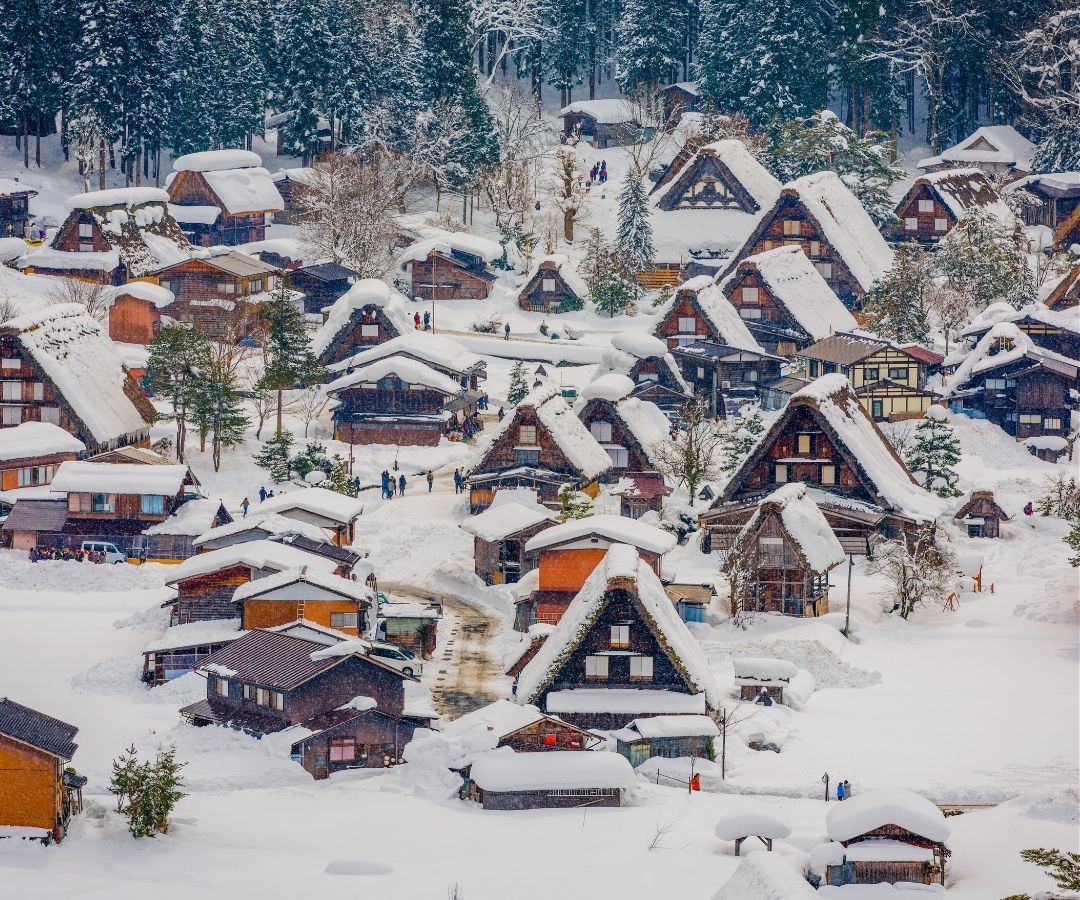
Tucked into the mountains of Gifu Prefecture, Shirakawa-go looks impressive year-round. Add heavy winter snow and things get seriously photogenic.
The UNESCO World Heritage village is known for its traditional gassho-zukuri farmhouses, recognisable by their steep thatched roofs.
In winter, those roofs become covered in thick layers of snow, transforming the village into a real-life winter wonderland.
Charge your phone before you go. You'll need the camera battery.
Hokkaido doesn't do winter by halves.
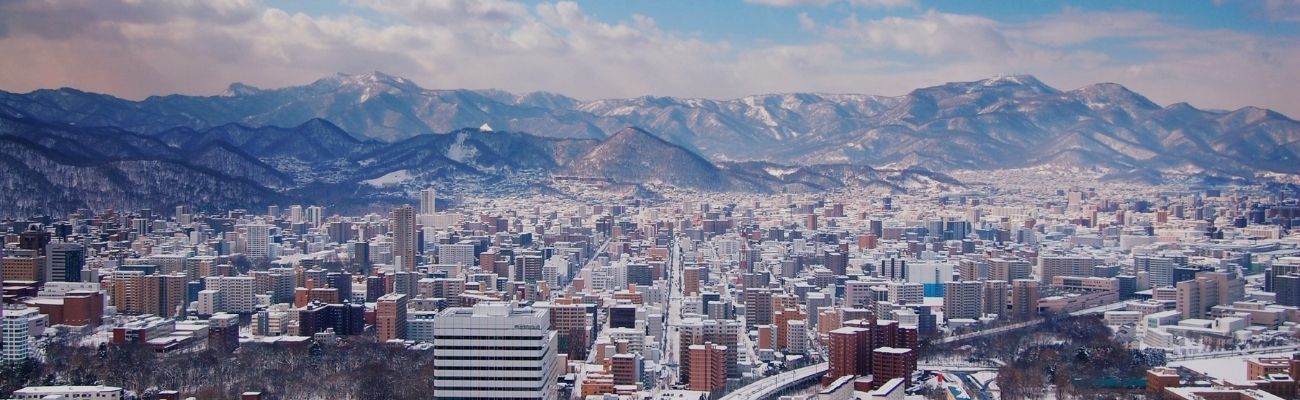
Each February, Sapporo hosts one of Japan's best-known winter activities, filling parts of the city with enormous snow sculptures, detailed ice creations and colourful illuminations.
Some sculptures are massive, making a wander around the festival feel more like an outdoor art gallery made entirely from snow and ice.
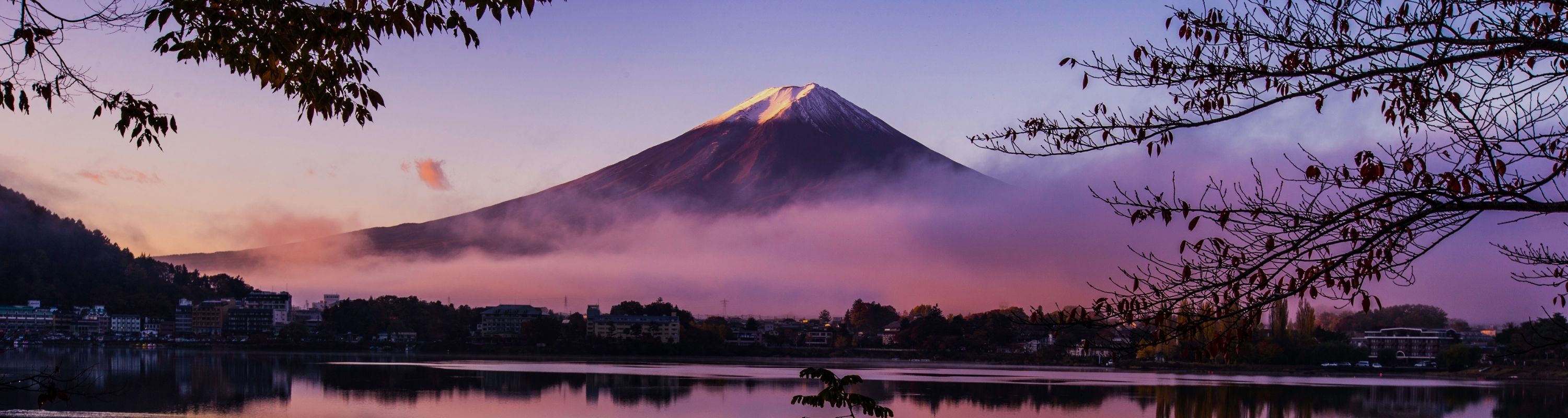
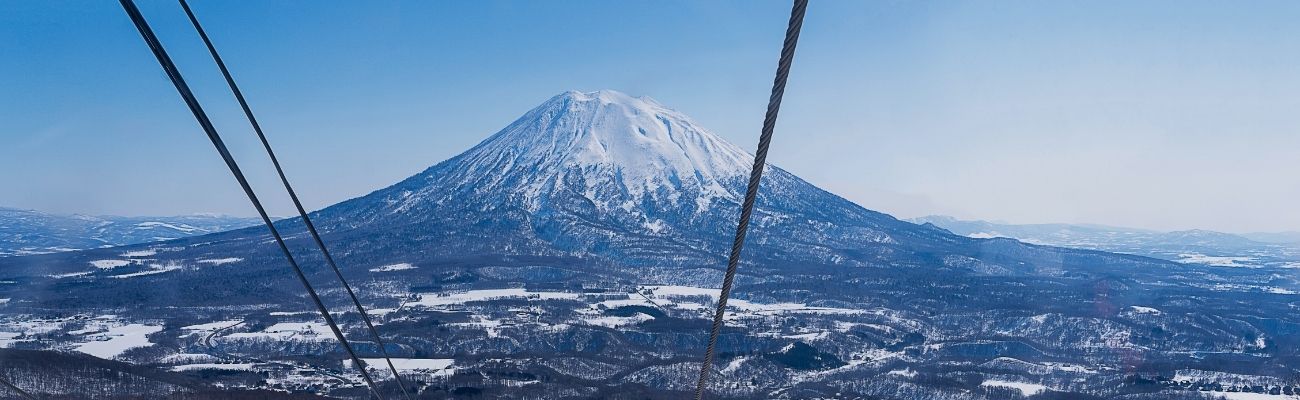
Want that classic Mount Fuji view? Winter can be a great time to chase it.
Cooler conditions often bring crisp, clear days, giving you a better chance of seeing Japan's famous peak without clouds getting in the way. The Fuji Five Lakes region is one of the most popular places to take in the view.
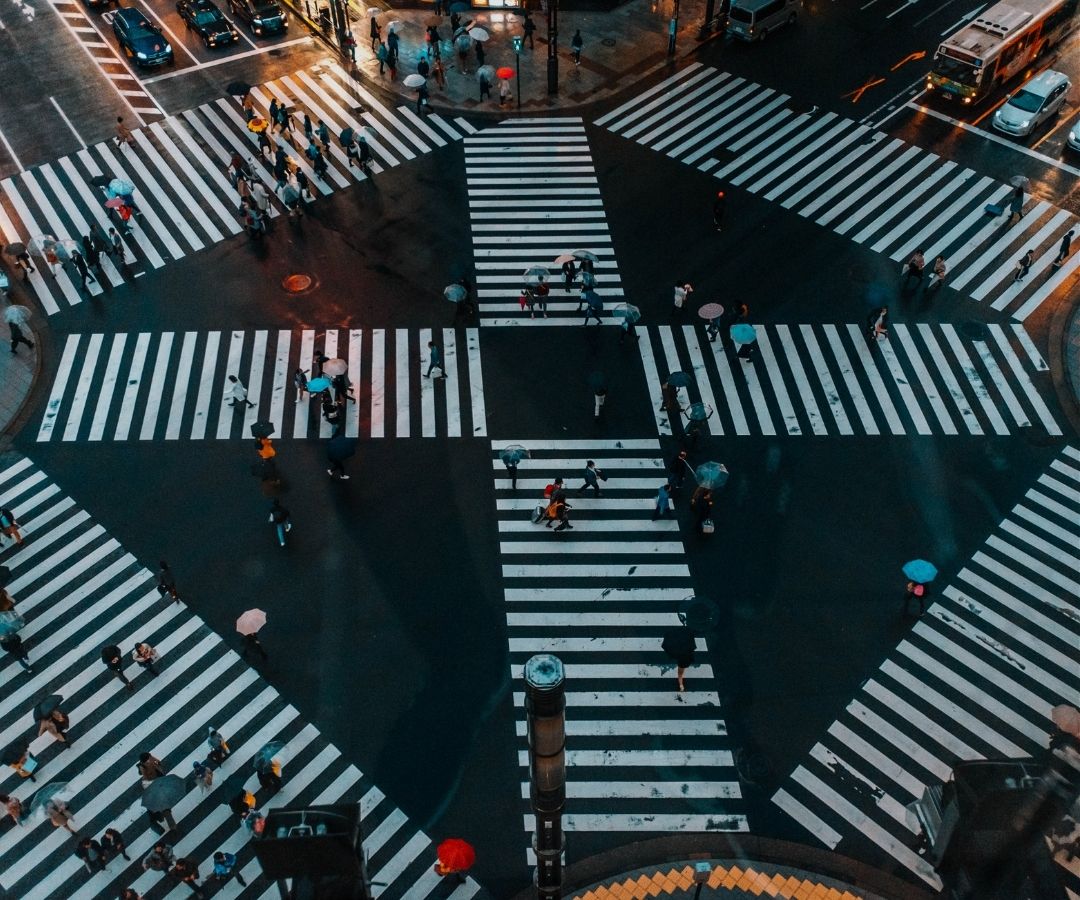
Tokyo doesn't need snow to put on a winter show.
Across the cooler months, elaborate illumination displays brighten shopping districts, gardens and public spaces around the city.
Explore Tokyo's neighbourhoods during the day, then stick around after sunset to see another side of the city. Finish the night with an izakaya dinner, late-night ramen or a convenience-store dessert run.
Possibly all three. You're on holiday.
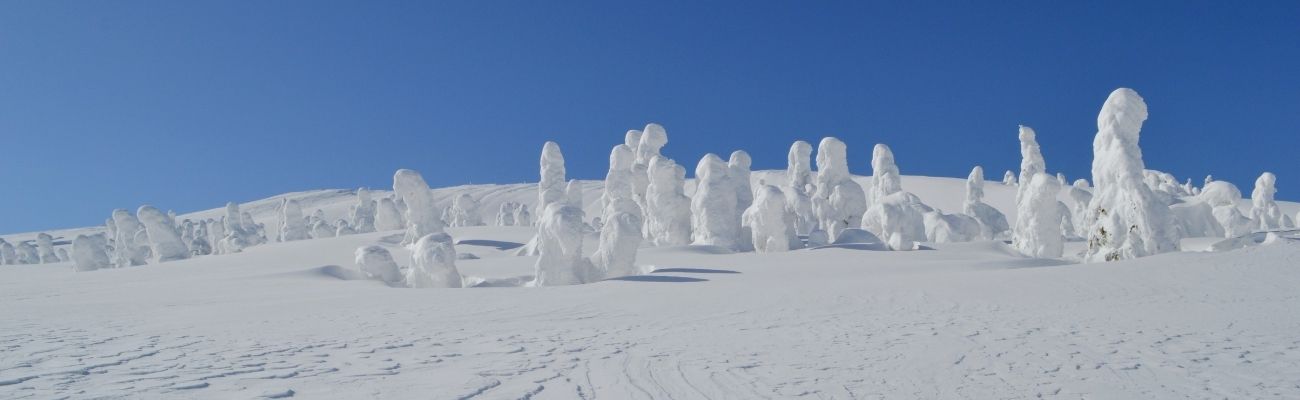
Despite the name, you won't need to pack monster repellent.
The famous Zao Snow Monsters are actually trees covered in layers of snow and ice, shaped by the freezing winter weather into strange, towering figures.
You'll find them high in the mountains around Zao Onsen in Yamagata Prefecture. Take the ropeway up to see the frozen landscape from above, or ski and snowboard among them.
It's one of those wonderfully weird sights that could only make sense in Japan.
Want cities, culture and snow without spending your entire holiday changing hotels? Here's one way to put it all together.
Days 1–3: Tokyo
Start among the bright lights of Tokyo. Explore different neighbourhoods, eat everything in sight and catch the city's winter illuminations after dark. If the weather plays nicely, consider a day trip towards Mount Fuji.
Days 4–6: Nagano
Swap skyscrapers for snow and head towards the Japanese Alps. Visit Jigokudani Monkey Park, spend some time skiing or snowboarding at one of the region’s ski resorts and reward yourself with an onsen afterwards.
Days 7–8: Kyoto
Take the train south for temples, shrines, historic streets and a completely different side of Japan. The cooler winter weather makes long days of exploring surprisingly pleasant.
Days 9–10: Osaka
Finish with two days in one of Japan's great food cities. Explore Dotonbori, eat your way through Osaka's street-food favourites and squeeze in one final konbini run before heading home.
Here mainly for the snow? Skip Osaka and Kyoto and give yourself extra days in Nagano, or fly north to Hokkaido for a longer ski stay.
Japan’s winter season generally falls between December and February, conveniently lining up with summer back home in Australia.
Conditions vary considerably depending on where you travel. Hokkaido, the Japanese Alps and other mountainous regions receive serious snowfall and have longer ski seasons, while cities such as Tokyo, Kyoto and Osaka experience cold weather but generally much less snow.
December marks the beginning of the main winter travel period and brings plenty of festive illuminations. January is a great time to embrace Japan's snowy landscapes and winter activities, while February brings major events including the Sapporo Snow Festival.
If skiing and snowboarding are the priority for your winter holidays, always check conditions and resort opening dates before booking, as the snow season varies by location and year.
Japan in winter serves up a little bit of everything: deep powder, steaming onsen hot springs, beautiful temples, glowing cities and some very good reasons to eat ramen every day.
Whether you're heading over for a dedicated winter holiday in Japan or adding a few snow days to a bigger Japanese adventure, pack the thermals and prepare to see a completely different side of Japan.
And maybe leave a little extra room in the suitcase. Those 7-Eleven snacks aren't going to bring themselves home.
Pack warm layers, a good insulated jacket, comfortable shoes and accessories such as gloves and a beanie. If you're heading into snowy regions, waterproof footwear and thermals are particularly useful.
Yes. Winter can be a great time to explore Kyoto's temples, shrines and historic neighbourhoods, particularly if you want to avoid some of the crowds associated with cherry blossom and autumn foliage seasons.
It can snow in Tokyo during winter, but heavy or persistent snowfall isn't the norm. For reliable snow, head to mountainous regions or further north to destinations such as Nagano and Hokkaido.
Hokkaido and Nagano are two of Japan's best-known ski regions. Niseko is particularly popular in Hokkaido, while Hakuba and Nozawa Onsen are popular choices in Nagano.
Japan's winter generally runs from December to February, although snowy areas and ski resorts can have longer winter seasons depending on their location and annual conditions.
Get inspired with what to see and do once booking your flights